

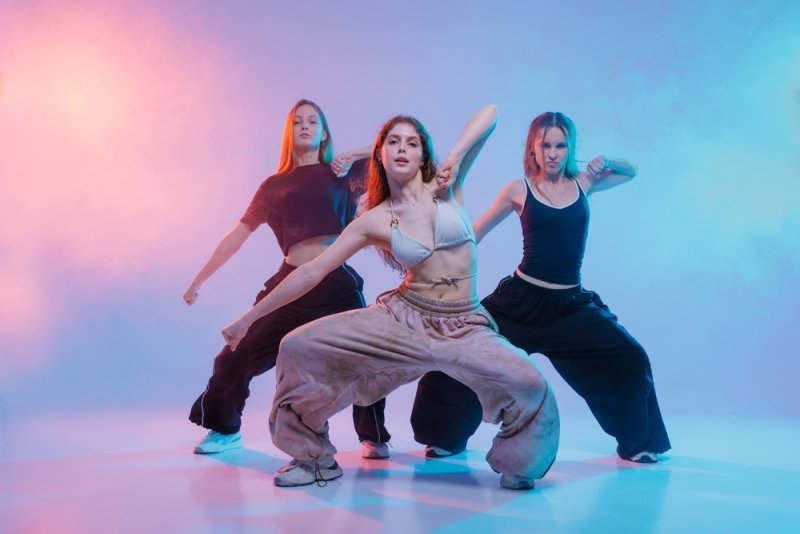
Modern Dance and Contemporary Dance-There is often a lot of controversy over this comparison. Modern dance and contemporary dance are similar yet very different in the way the art is approached today. Artists today thrive in both areas of the form, understanding modern dance vs contemporary dance, which is fully appreciated by students and non-students alike.
Knowing when the dances came about and why the artist is dancing can be both enlightening and informative for those interested in the world of movement and dance.
To understand the question of "what the difference is between modern dance and contemporary dance?", you need to know that both dancing styles are similar but have different histories. Modern dance was developed when dancers sought to escape from strict ballet tradition at the beginning of the 20th century. During subsequent decades, ethnic and cultural influences created contemporary dance'
A simple dance comparison makes it obvious that modern dance tends to be governed by techniques devised by many significant predecessors whose direction was toward feeling, "downward" tension, and a "pervading awareness of the body in relation to space". On the other hand, contemporary dance provides greater freedom to the dancer. According to dance styles explained to beginners, it can be seen that modern dance is more historically based, while contemporary dance is more flexible.
Modern dance came about when artists looked for ways to be more expressive of feelings and human experience. Dancers abandoned traditional ballet positions and began trying out natural gestures, breathing, and a closer relationship with the floor. Many modern dance techniques grew out of these changes and are still widely taught today.
With the development of modern dance education, students began to realize that communication could happen through dance and movement rather than only narratives. Modern choreography concentrated on topics, feelings, and individual understanding and expression rather than precisely patterned dance. It is the chance for dancers to create based on their own understanding.
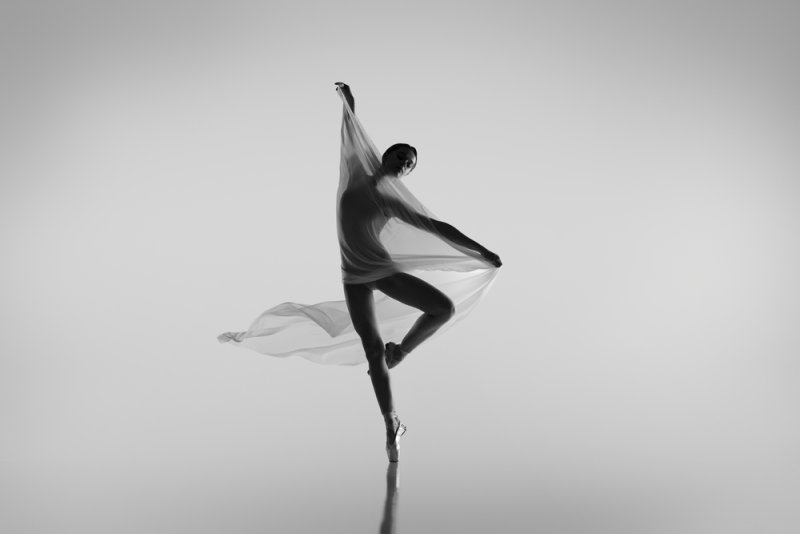
Contemporary dance is characterized by its versatility and continuous evolution. It integrates contributions from various styles such as modern dance, ballet, jazz, improvisation, among other movement practices. Contemporary dance does not have the limiting conventions of traditional techniques, allowing for experimentation and personal interpretation.
A dance comparison of current dance with traditional dance reveals that contemporary dancers are characterized by unusual shapes, more variation in rhythms, and transitions. However, a lecturer in dance training programs, the variation of various styles of contemporary dance depends on the artist, the educator, and the culture.
In modern choreography, the performance may be accompanied by storytelling, ideas, or messages on social issues. This freedom of choice makes modern dance the choice for most dancers who want to break through.
Apart from their performances (discussed below), one key difference between the different styles of these two dance training methods is movement. In the technique of modern dance styles explained, the body is put through a lot of controlled falls, body movements on the floor, contractions, and there is a lot of focus on body weight.
Contemporary dance may utilize the same techniques, but it has more variety as well, utilizing improvisation and a mixture of techniques. A dance comparison is that modern dance relies on certain rules defined by the pioneers, but contemporary dance offers a broader lane for personal choices.
Dance education helps the beginner learn the difference. Teachers tend to teach the differences in these two dance styles at the same time because understanding the similarities and differences develops body control, creativity, and on-stage confidence.
Knowing the main features to differentiate the styles of both helps the dancers to realize the movement styles, creative choices, and artistic goals applied in portraying both modern and contemporary styles.
Modern dance uses the energy contained in the body, through the natural way a body moves, and between the performer and the floor. Many modern dance techniques employ gravity and displacement of weight, as well as breathing, to develop a performance full of emotion.
Contemporary dance is freer as it combines a variety of techniques and also allows for individual expression. Dancers can make use of improvisation, quirky movements, and varied time signatures to personalize their performance.
Dance education is helpful in understanding various styles of dance. When students learn the essentials of each, it enhances their technique, creativity, and self-esteem. Instructors tend to merge classes of modern and contemporary dance to train various unique skills to complement each other.
Expand Your Knowledge: Discover Ballet: Online Ballet Classes for All Levels
Modern Dance vs Contemporary Dance can be compared in terms of the balance and relationship between tradition, innovation, and freedom of art and expression. Modern dance builds upon the techniques learned from traditional dance traditions, whereas contemporary builds upon those ideas, turning to improvised and eclectic influences through experimentation.
Bridging this gap improves dance literature, facilitates dance comparison, and enables students to understand modern choreography in recent dance works.
Yes, beginners can learn both modern and contemporary dance at the same time, as both rely on the core basics of dance movement. Taking modern dance classes for beginners helps improve your body awareness, and learning contemporary dance is a way for dancers to experiment more with dance.
It really depends on a dancer’s abilities, training, and dance background. Modern dancers rely on excellent balance, strong physical control, and a keen body awareness. In contrast, some styles of contemporary demand incredible flexibility and the ability to change very quickly.
While it's not necessary, having a background in ballet helps many dancers develop the correct posture, balance, and technique needed for modern and contemporary dance. However, modern and contemporary dance are more about expressive and individual styles of dance than ballet, and many schools cover various dance disciplines and fundamentals in their training programs.
Since modern dance originally broke away from tradition, the art form evolved into much more fluid and eclectic combinations. Contemporary choreographers pull from the history of modern dance but often merge these influences with other forms. In modern training, you can discover this evolution through many choreographers and dance movements.
This content was created by AI