

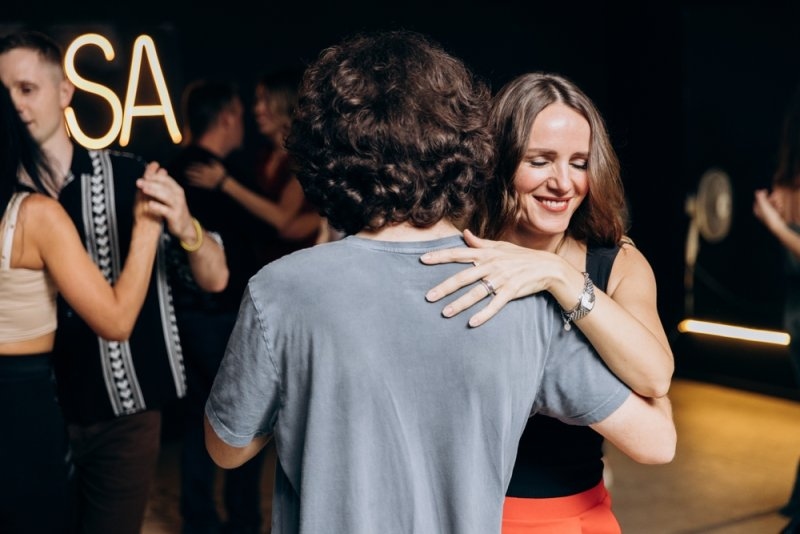
Stepping onto the Latin floor completely exposes absolute beginners to massive musical confusion instantly. Identifying the brutal differences between salsa vs bachata completely stops new dancers from looking totally clueless during heavy social events. These two massive rhythmic giants completely dominate global dance floors entirely, but strictly require totally different physical mechanics. Choosing the wrong absolute rhythm completely guarantees massive frustration, tangled feet, and heavily bruised egos constantly. Both styles absolutely demand heavy dedication, but completely distinct musical instruments dictate exactly how the physical body reacts.
Must Read: Modern Dance vs Contemporary Dance Styles Explained Simply
Executing a heavy salsa dance strictly involves moving rapidly to explosive brass and massive Afro-Cuban percussion. Dancers step across eight counts, pausing sharply on the fourth beat to create intense physical tension. This incredibly aggressive style completely demands executing lightning-fast spins and navigating totally complex turning patterns constantly on the totally raw floor.
Dropping into a smooth bachata dance requires totally grounded movements heavily driven by romantic Caribbean guitar strings. Dancers execute a simple three-step lateral pattern, finishing with a sharp hip pop on the fourth count. This incredibly sensual format completely prioritizes heavy physical connection over massive explosive spinning mechanics entirely.
Top Pick: Top Trending Dance Styles 2026 To Watch On TikTok And Studio
Tracking the exact salsa vs bachata dance mechanics completely exposes massive tactical differences. Recognizing these strictly specific physical requirements absolutely prevents completely embarrassing floor collisions constantly.
| Tactical Metric | The Fast Format | The Slower Method |
| Origin Point | Cuba, Puerto Rico, and New York. | The Dominican Republic exclusively. |
| Pacing Style | Absolutely aggressive and extremely fast. | Completely smooth, grounded, and highly sensual. |
| Basic Count | 1-2-3 (pause) 5-6-7 (pause). | 1-2-3 (tap) 5-6-7 (tap). |
| Primary Focus | Complex spins and heavy forward footwork. | Body rolls and heavy lateral hip isolation. |
Identifying exactly what the DJ plays instantly prevents totally massive rhythmic failures. Analyzing exact salsa vs bachata music completely dictates how the physical body must move entirely.
Pushing heavy salsa vs bachata tempo exposes a massive physical gap. The fast rhythm hits 160-220 beats per minute, while the slower style strictly drops to a highly manageable 120-160 BPM.
Hearing a heavy clave striking a wooden block strictly signals an absolutely fast track. Hearing a high-pitched guitar absolutely guarantees a totally slower romantic song completely.
Fast tracks completely feature heavily aggressive, totally energetic vocal shouting. Slower songs strictly deliver highly emotional lyrics completely focused on absolute romantic heartbreak perfectly.
Memorizing the totally raw salsa vs bachata footwork entirely saves dancers from totally smashing heavy toes. Executing totally specific stepping mechanics strictly defines the absolute physical difference perfectly.
The faster salsa dance style completely forces partners to swap heavy positions linearly. Dancers strictly push forward and backward, maintaining incredibly tight balance.
A proper bachata dance style completely relies on lateral movement. Dancers strictly step side-to-side, digging totally heavy weight directly into the floor constantly.
Fast dancers completely halt on the fourth beat to totally build kinetic energy. Slower dancers strictly execute a massive hip pop on that totally identical fourth count.
Navigating the exact salsa vs bachata difficulty completely decides whether totally fresh beginners return or entirely quit. Analyzing the totally raw learning curve strictly stops massive absolute frustration instantly.
The slower rhythm completely provides totally massive early confidence. Beginners easily master the heavy lateral steps without dealing with completely dizzying rotational mechanics initially.
The faster rhythm strictly punishes totally fresh beginners immediately. Combining heavy speed with incredibly complex spins completely guarantees absolute massive initial struggle entirely.
Mastering the slower style eventually requires absolutely insane body isolation and completely massive spinal flexibility. Both absolute formats completely demand years of totally brutal heavy practice to look incredibly flawless.
Diving entirely into the heavy Latin club scene totally requires fully respecting both absolute formats. Surviving the massive salsa vs bachata debate strictly demands checking physical limitations against absolute personal musical preferences completely. The aggressive horn sections strictly build totally massive cardiovascular endurance, while the slower guitars completely teach absolutely flawless body control. Watching completely from the dark sidelines accomplishes absolutely nothing. Strapping on heavy suede shoes, choosing a completely specific rhythm, and totally dominating the raw wooden floor completely builds absolute massive physical confidence perfectly forever.
The absolute primary difference strictly involves raw pacing and massive physical spacing. One utilizes extremely fast horn sections demanding completely open rotational frames, while the totally other absolutely relies on slower romantic guitars favoring completely closed lateral movements.
Neither specific format completely dominates universally whatsoever. Highly energetic individuals strictly prefer the totally massive speed of the faster rhythm, while dancers seeking absolutely deep physical connection completely prefer the heavily sensual sway of the slower style.
Yes. Beginners totally successfully learn both completely simultaneously. However, tackling absolutely massive different rhythms completely requires strict mental separation entirely. Students strictly must separate specific practice nights to completely prevent totally confusing the absolutely distinct footwork patterns on the raw floor.
Absolutely. Attempting massive rotational spins wearing totally sticky rubber soles completely guarantees brutal knee injuries instantly. Suede-bottom dance shoes strictly provide the exact physical slip required to execute incredibly heavy rotations perfectly safely.
The absolutely fast pacing completely overloads raw cognitive capacity instantly. Fresh dancers strictly attempt counting heavy beats, executing massive footwork, and maintaining absolutely rigid arm frames totally simultaneously, causing completely massive mental crashes constantly.
Fast dancers completely maintain massive rigid arm tension to rapidly swap heavy physical positions safely. Slower dancers strictly execute chest-to-chest contact, entirely driving highly complex body movements directly through totally solid torso connection.
This content was created by AI